
On any given day in South Africa, a nurse in a public clinic may see dozens of patients — managing everything from chronic conditions to acute emergencies, often with limited time and resources.
But beyond the clinical duties lies a quieter reality: nurses are not just treating illness; they are holding together an increasingly strained healthcare system.
On International Nurses Day, the spotlight often falls on appreciation — and rightly so. But behind the gratitude is a growing pressure that cannot be ignored.
South Africa faces a rising burden of chronic disease, particularly conditions like hypertension, a leading contributor to cardiovascular illness, which is the leading causes of death in the country. The challenge is that many of these conditions are preventable or manageable — yet they continue to present at clinics and hospitals at advanced stages.
And that is where nurses carry the heaviest load.
“They are often the first point of contact, the ones managing ongoing care, and in many cases, the emotional support for patients navigating difficult diagnoses,” says Luvuyo Maloka from Unu Health. “But what we are seeing is that too many people are entering the healthcare system far too late.”
This delay in care has a ripple effect. When patients only seek help once symptoms become severe, treatment becomes more complex, more time-consuming, and more resource-intensive. For nurses already working under pressure, this means longer consultations, higher patient volumes, and less time for preventative care.
The reality is that South Africa’s healthcare system is still largely reactive — focused on treating illness rather than preventing it. And that reactive model places enormous strain on frontline workers.
But what if fewer people needed to walk into a clinic in the first place?
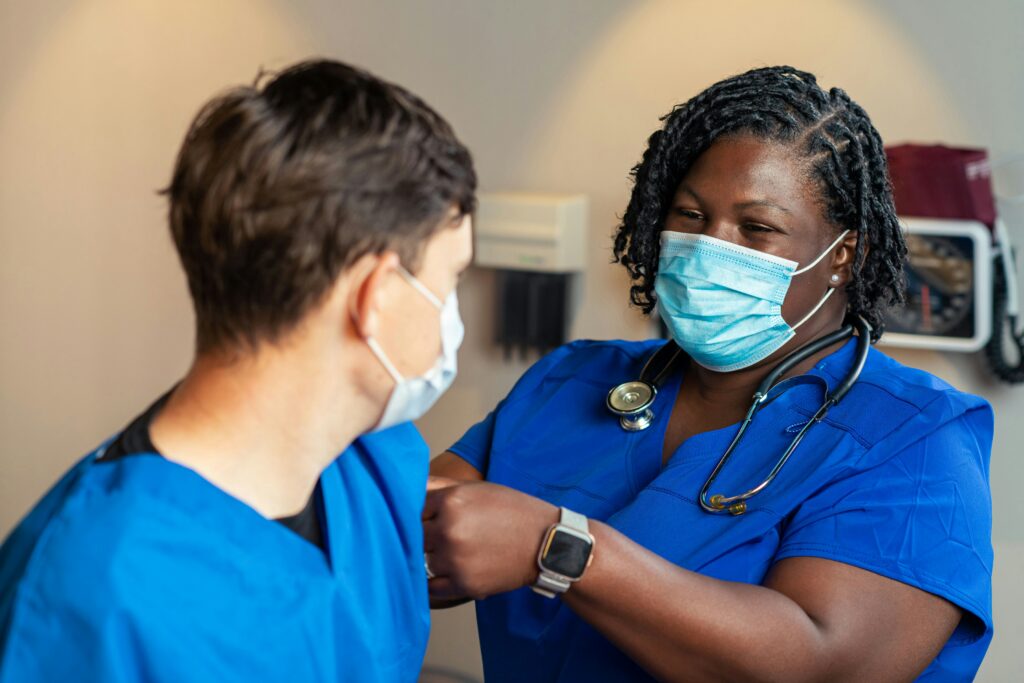
There is a growing shift globally — and increasingly in South Africa — toward more accessible, proactive healthcare. Digital health platforms, remote consultations, and easier access to basic health screenings are beginning to change how and when people engage with care.
Instead of waiting until a condition becomes serious, people can start managing their health earlier — checking symptoms, consulting healthcare professionals remotely, and monitoring key indicators like blood pressure before complications arise.
This shift doesn’t replace nurses. It supports them.
By reducing unnecessary clinic visits and enabling earlier intervention, healthcare professionals on the ground are freed up to focus on the patients who need them most — those requiring urgent or complex care.
“Technology cannot replace the role of nurses,” says Maloka. “But it can play a critical role in reducing the pressure on the system and ultimately improving outcomes for both patients and healthcare workers.”
The future of healthcare in South Africa may depend not only on how we support our nurses, but on how we empower people to take greater control of their health before they ever reach a clinic door.
For more information, please visit www.unuhealth.org